Rhenen and Wageningen: Beginning and end of the Second World War in the Netherlands
The Netherlands
Themed route co-created with our partner

Themed route co-created with our partner
Bookmark
Share
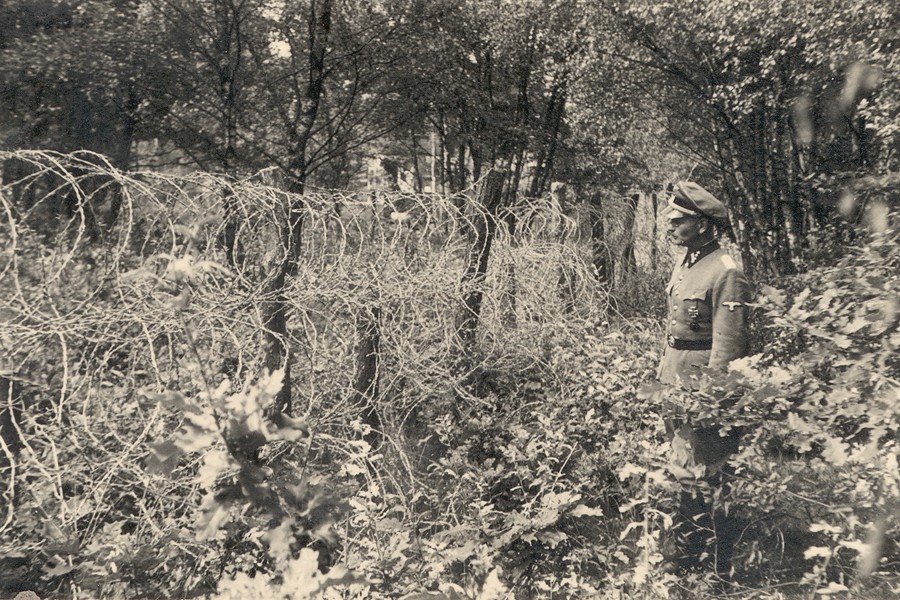
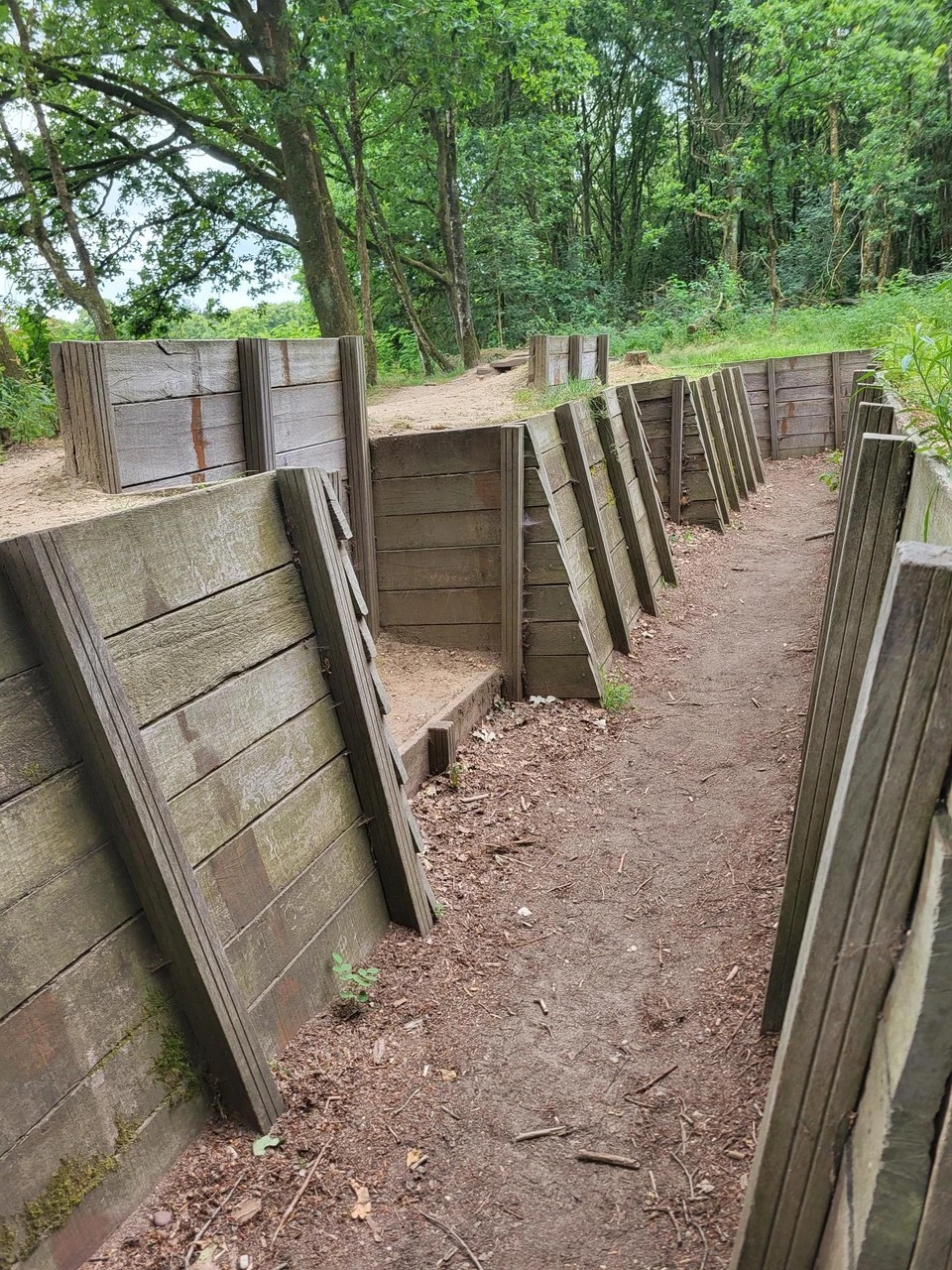
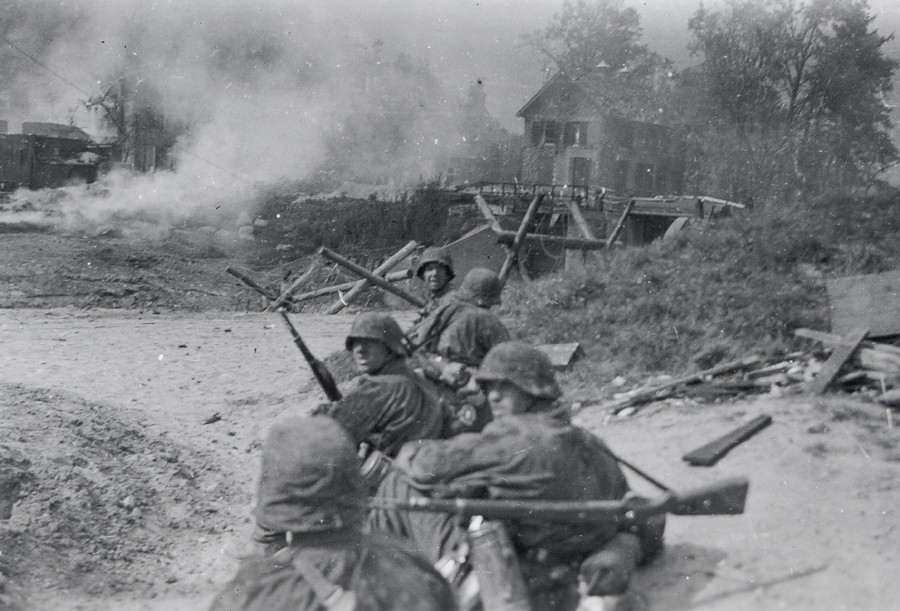
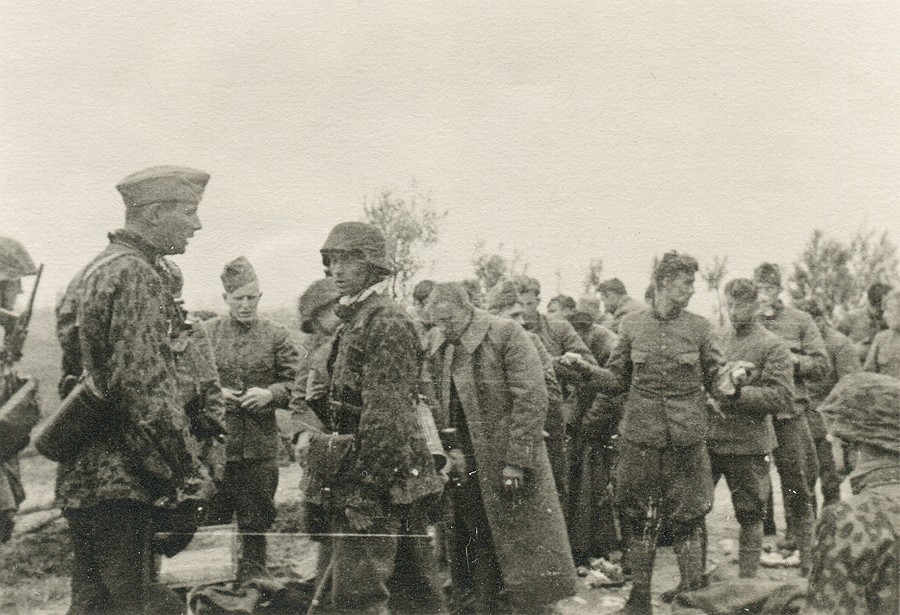
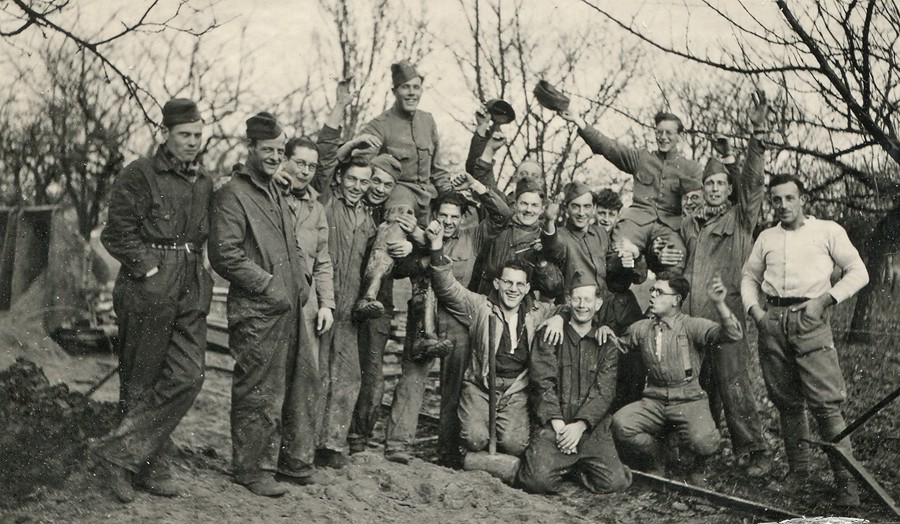
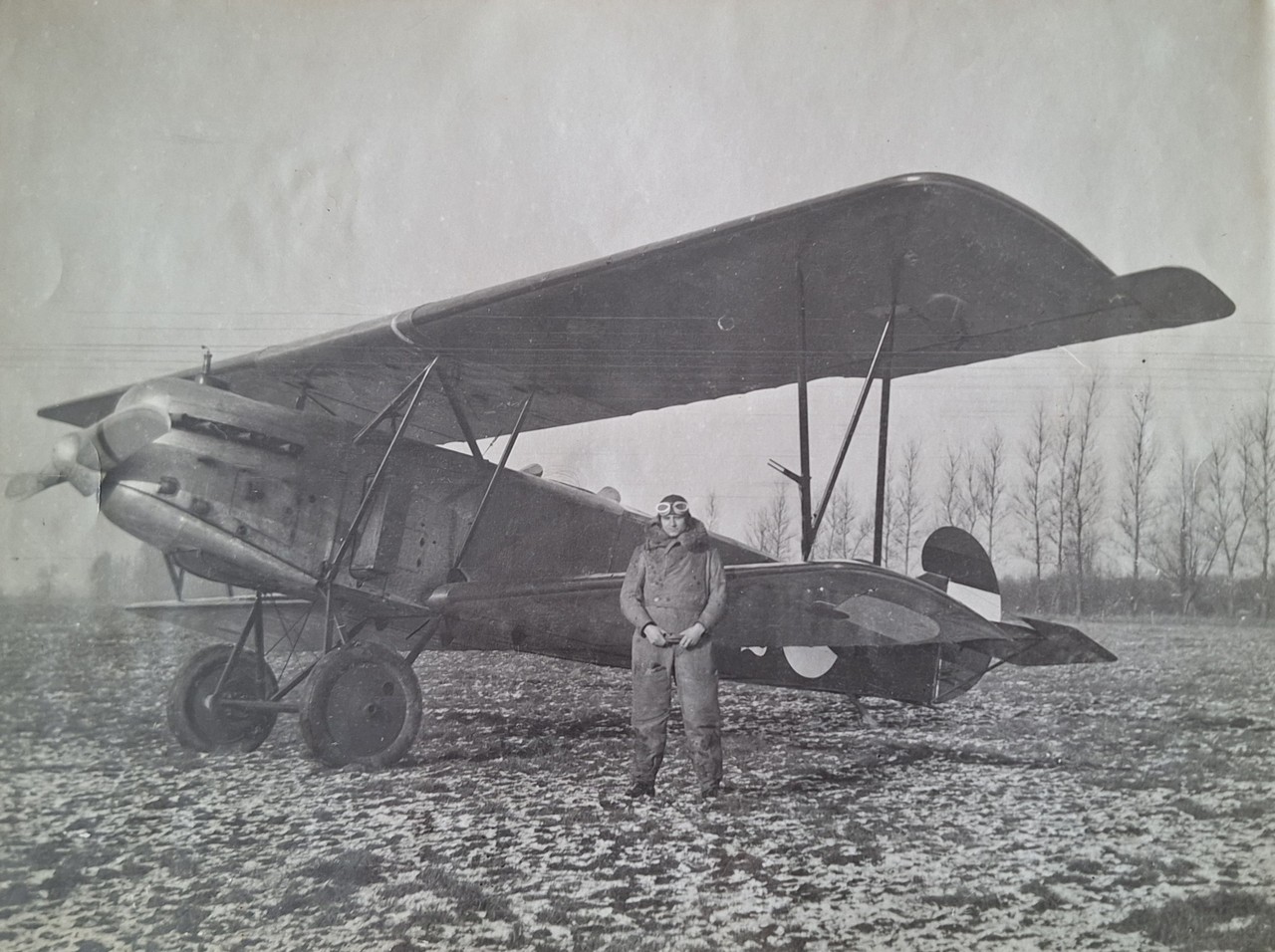
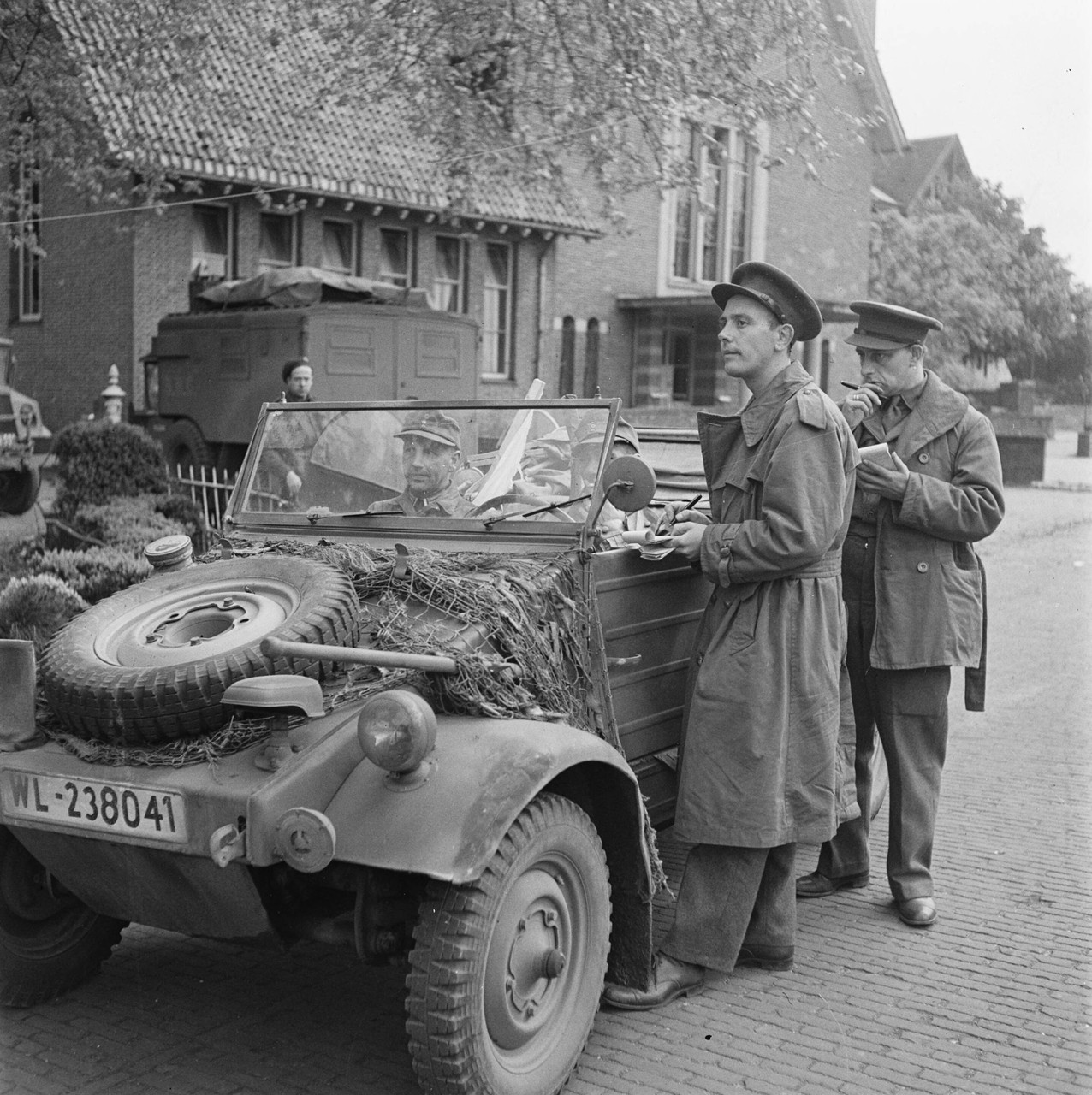
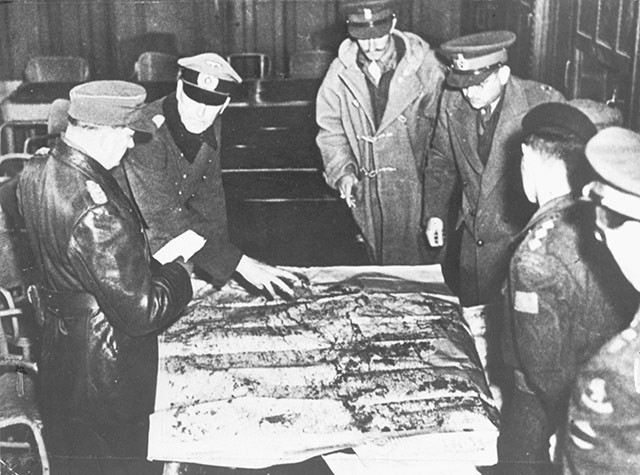
The Battle of the Grebbeberg near Rhenen in May 1940 and the negotiations at Hotel De Wereld in Wageningen on 5 May 1945 mark the beginning and end of the Second World War in the Netherlands. But what actually happened then, and what traces of it are still visible today? Get on your bike and discover the stories of these pivotal places in the Dutch collective memory.
During the Second World War, the neighboring towns of Rhenen and Wageningen found themselves directly in the line of fire twice. Because of their strategic position on the Nederrijn (Lower Rhine) and the Grebbeberg, both towns became the central theatre of war at the start and at the end of the war, meaning the residents had to evacuate completely twice.
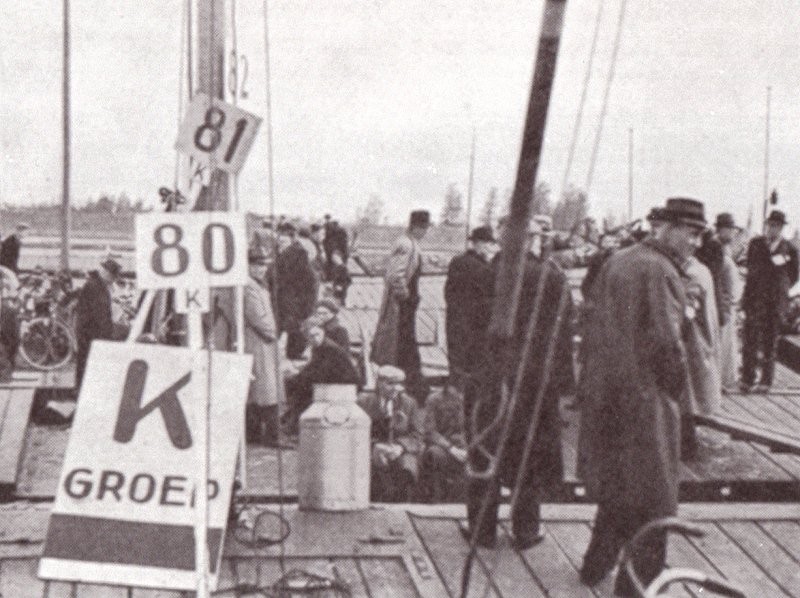
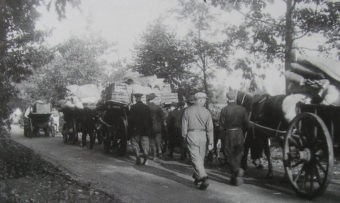
On 10 May 1940, the residents therefore had to leave in great haste as German troops approached. At that time, 12,400 residents of Wageningen and 6,400 residents of Rhenen were evacuated via the port of Wageningen — using coal barges, among other vessels — to the west of the country. Around 2,000 residents remained behind in Wageningen, and 500 in Rhenen.
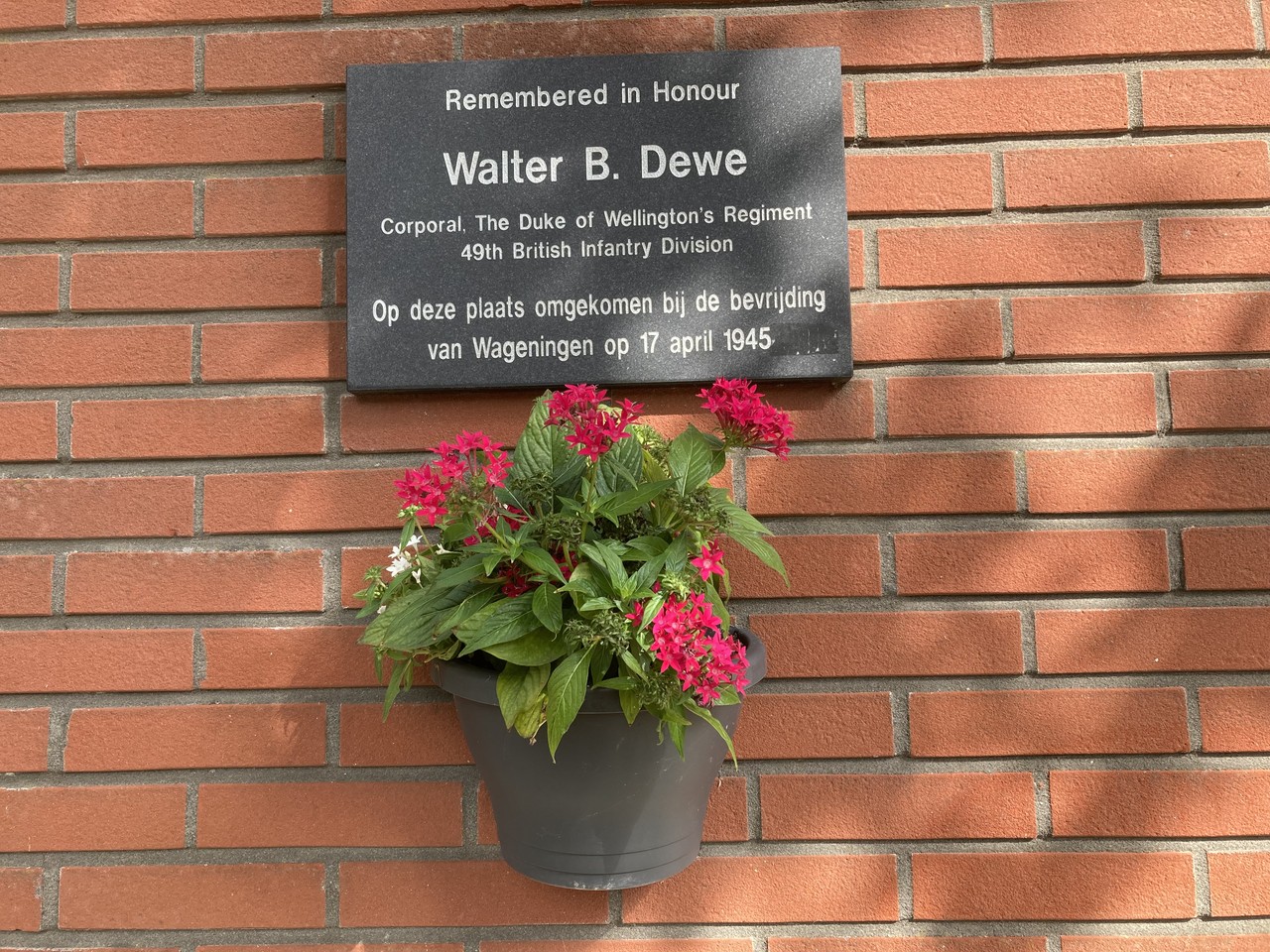
After the Battle of the Grebbeberg and the bombing of Rotterdam, the Netherlands was forced to capitulate. Years of occupation and hardship followed, until D-Day and the advance of the Allies in 1944. After the failure of Operation Market Garden in September of that year, the Allied advance stalled. The Nederrijn then became the new, permanent front line that separated the friendly and enemy armies for months.
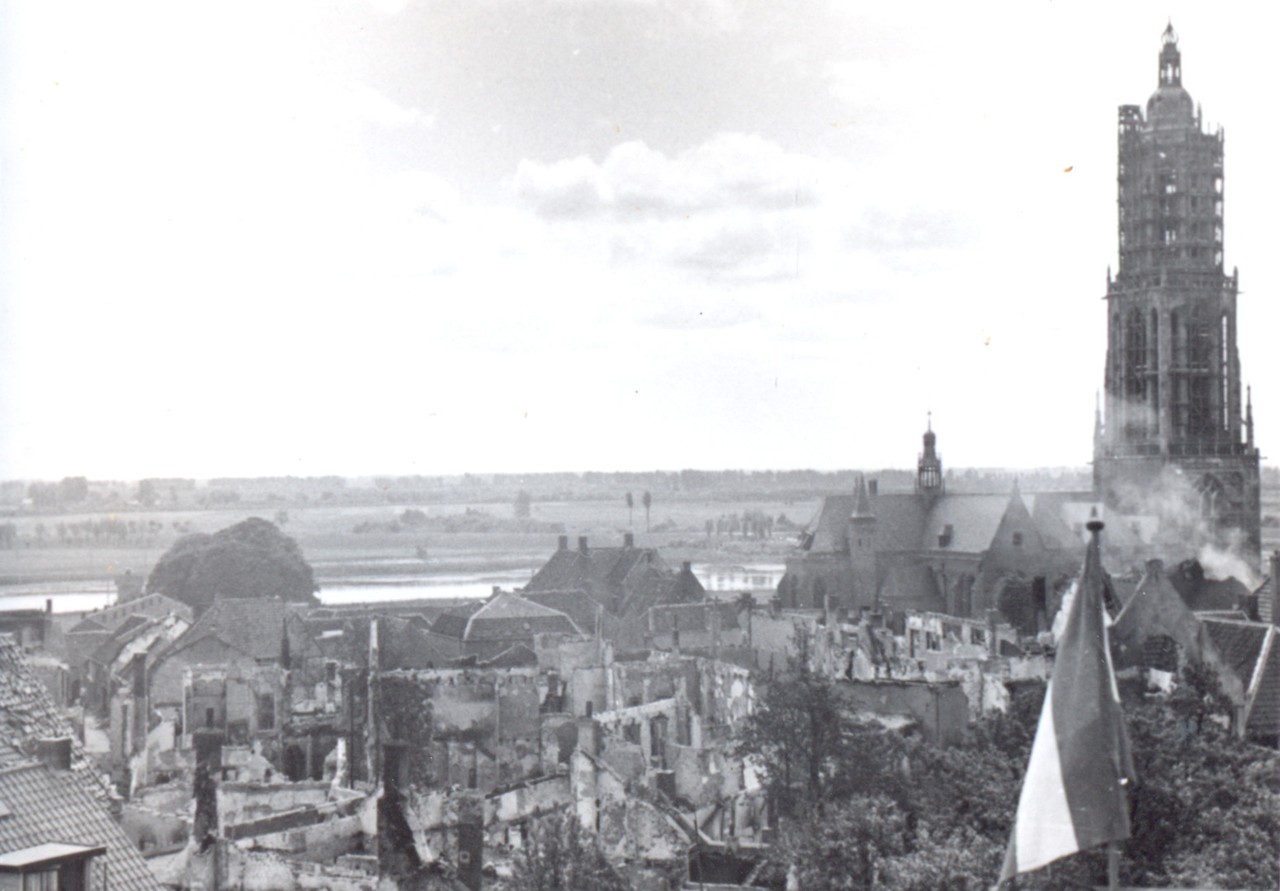
Once again, Rhenen and Wageningen were subjected to direct shellfire from the Betuwe. In October 1944, both towns had to be fully evacuated a second time. This time, residents were not allowed to return to their homes after a week, but only after eight months (in May 1945).
After the eventual liberation in April and May 1945, the residents encountered ghost towns. The historic centers had been heavily damaged, houses had been looted, and important infrastructure — including the Rhine Bridge near Rhenen — had been completely destroyed.
Curious to know more? Stichting De Greb is dedicated to the history of the Battle of the Grebbeberg. The foundation has an extensive online library of stories and articles, conducts research, organizes guided tours, and gives lectures. You can also view the video "The Battle of the Grebbeberg: An Introduction in 4 Minutes."
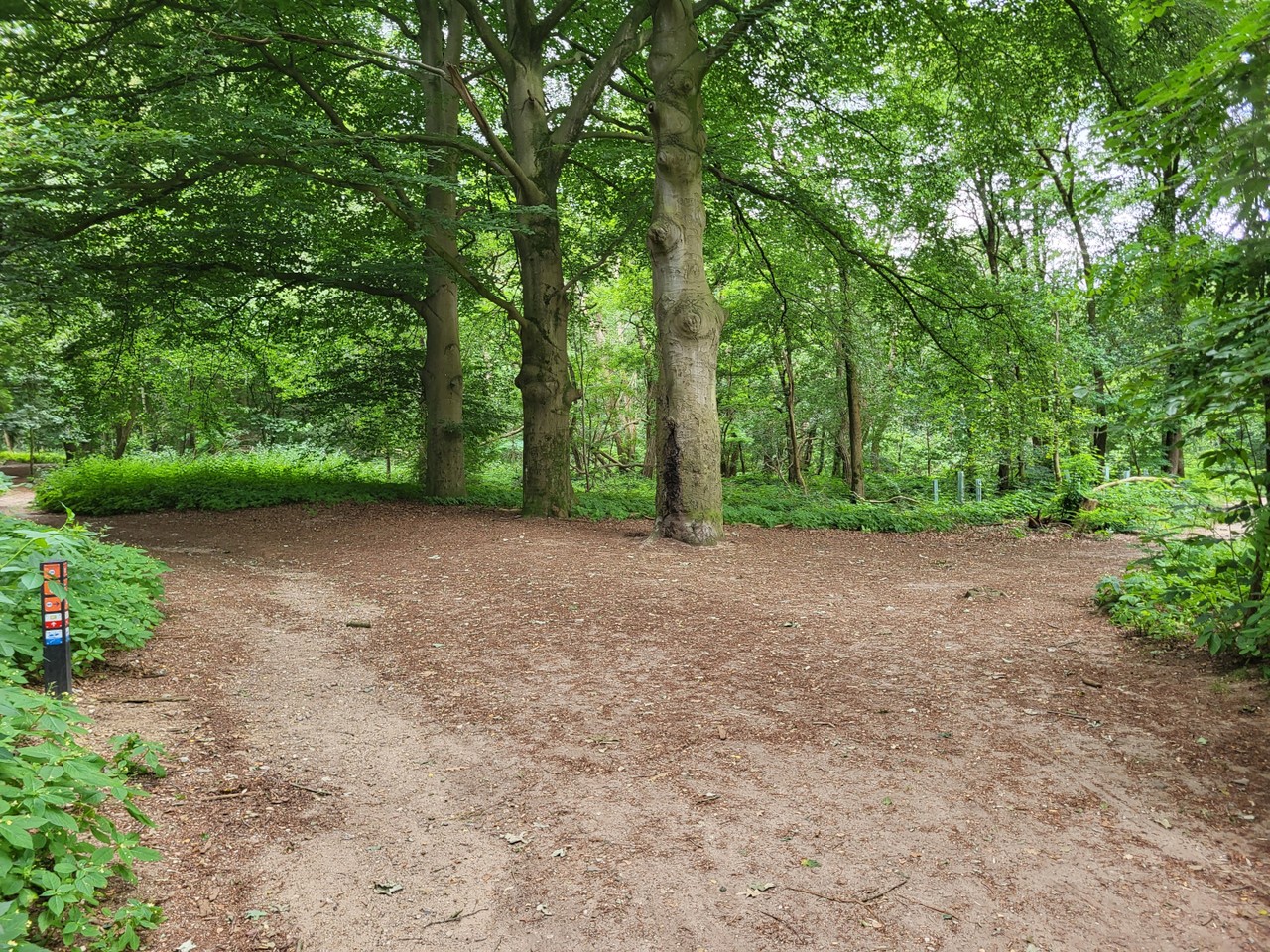
On this cycling route, you can set out yourself to discover what took place in Rhenen, on and around the Grebbeberg, and in Wageningen at the beginning and end of the war.