The battle of the Grebbeberg: the beginning of the Second World War in the Netherlands
The Netherlands
Themed route co-created with our partner

Themed route co-created with our partner
Bookmark
Share
In the summer of 1939, tensions in Europe had risen so high that the Dutch government decided to mobilize the army. On 29 August 1939, two hundred thousand young men were called up to be mobilized somewhere in the Netherlands. At that time, it still seemed unlikely that the Netherlands would become involved in the war — after all, the country was neutral and tried to project this image to the outside world as well.
The men were housed with families in the areas surrounding the defensive lines. The residents had to find a way to adapt to these new circumstances and live alongside the soldiers. The young men spent their days on exercises and on outfitting and preparing the defensive positions.
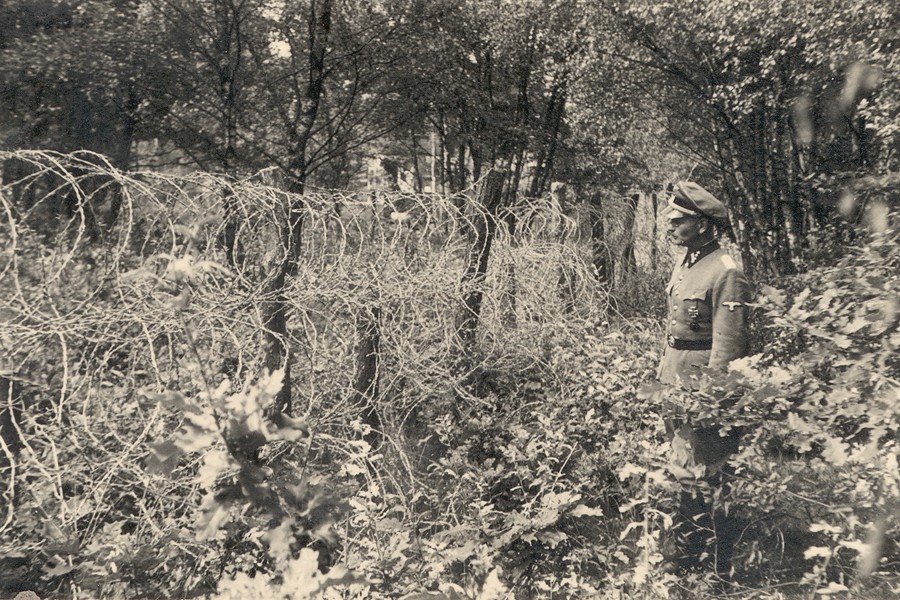
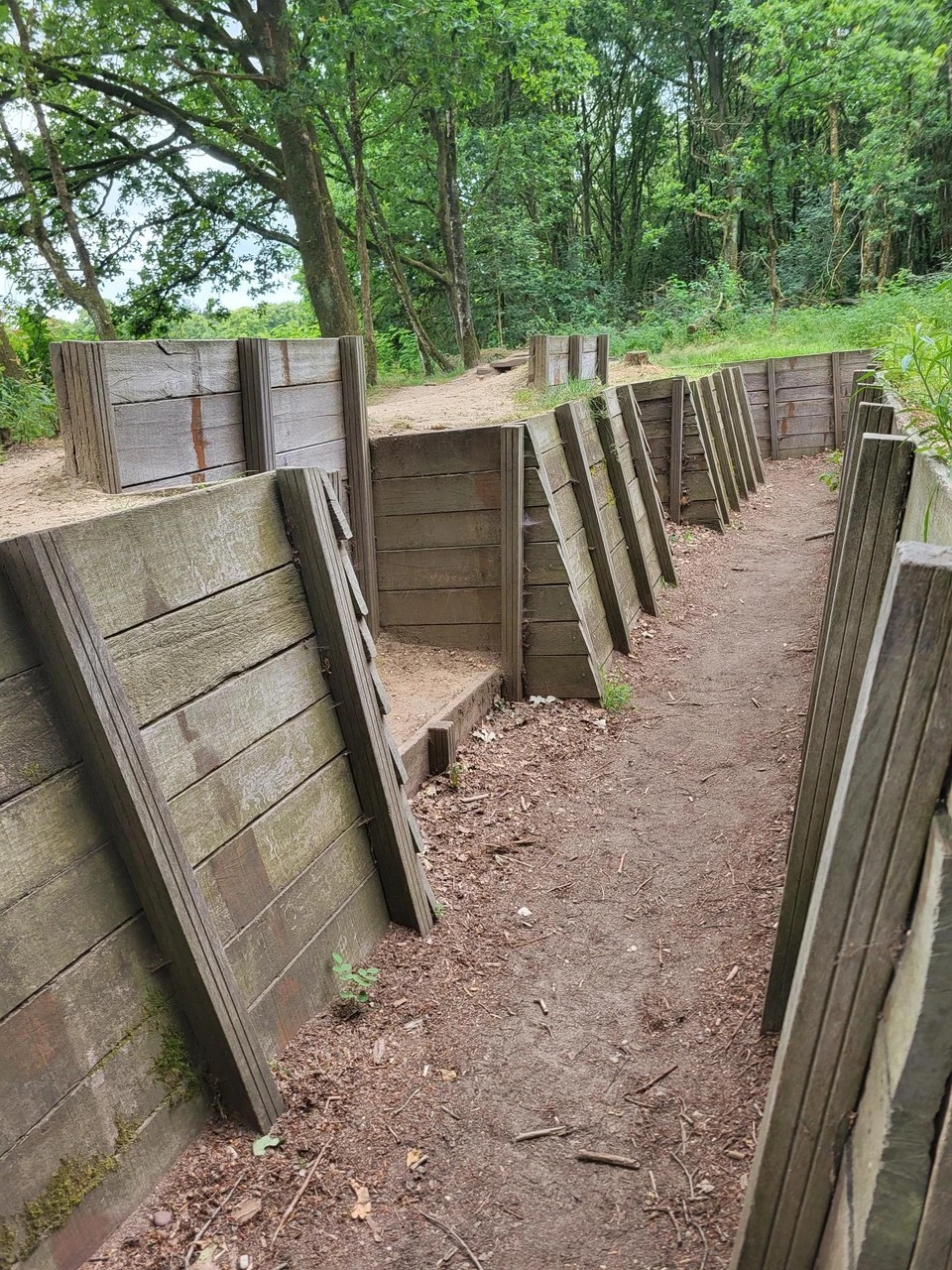
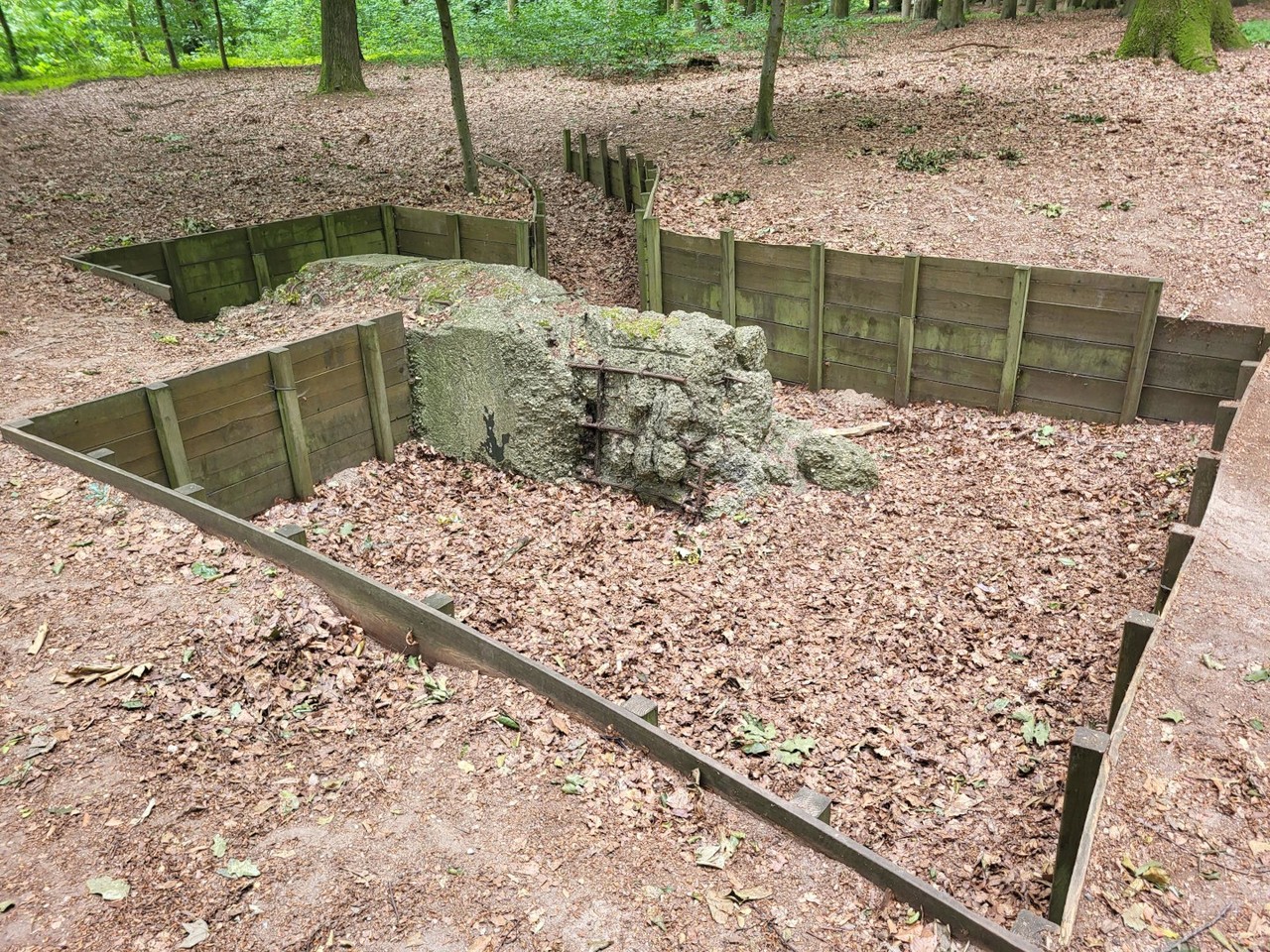
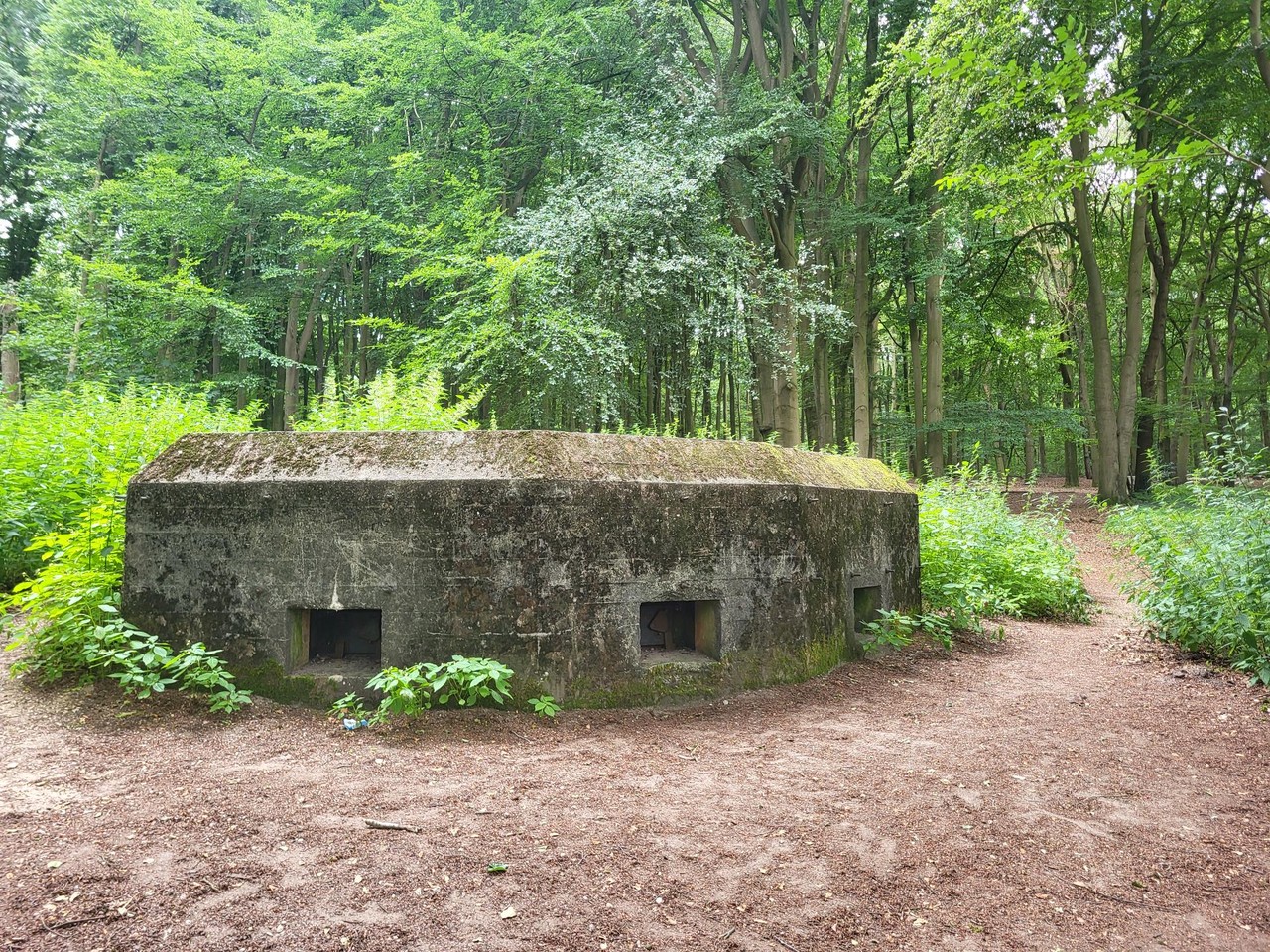
The Netherlands' strongest defensive line was the New Dutch Waterline. However, little maintenance had been carried out on the fortifications since the First World War, leaving their facilities in poor condition. Moreover, the line lay too close to the city of Utrecht. For this reason, the more easterly Grebbe Line was chosen as the main line of defense. Concrete casemates (pillboxes) were built at scattered points along the line. One of the Grebbe Line's strong points was its inundation zones. Large parts of the forward terrain could be flooded, forcing the enemy to concentrate on the limited number of areas that remained dry. One of these dry routes was the road between Wageningen and Rhenen.
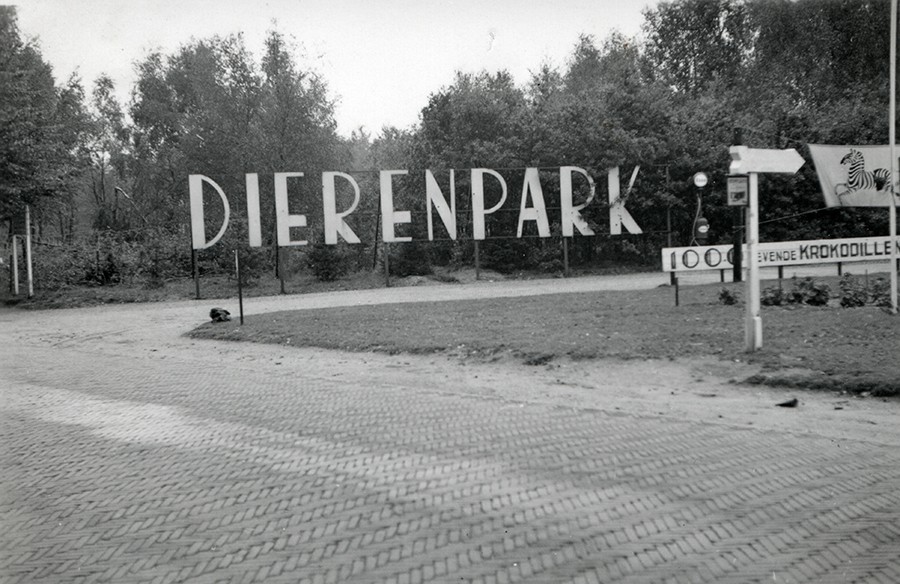
On the evening of 9 May 1940, alarming reports came from the border. During the night of 9 to 10 May, German armies crossed the Dutch border. In the early morning of 10 May, the evacuation of the threatened areas around the defensive positions began. Thousands of residents of towns such as Rhenen, Wageningen, and Veenendaal had to leave everything behind and were taken by boat to a safe place. At the same time, director Ouwehand, on the orders of Major Landzaat, had to put down the large predators in his zoo for safety reasons. After being held up at the IJssel Line, the main German force reached Arnhem that same morning, and in the evening they occupied the evacuated town of Wageningen.
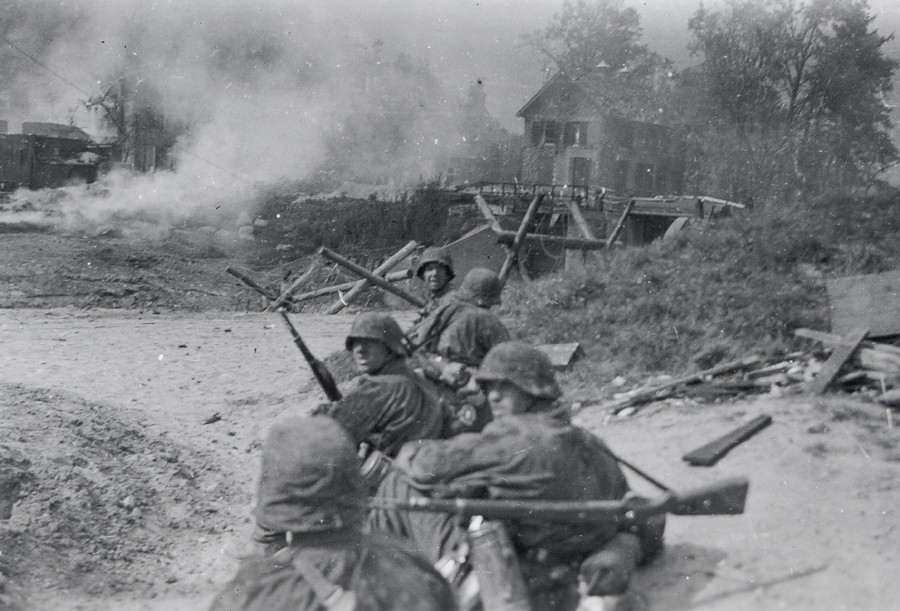
In the early morning of 11 May 1940, artillery bombardments began on both the German and Dutch sides. The German troops launched their attack from Wageningen on the outposts of the Grebbe Line at the Grebbeberg. This is where the Second World War began for the Netherlands, too.
Want to know more? Stichting De Greb is dedicated to the history of the Battle of the Grebbeberg. The foundation has an extensive online library of stories and articles, conducts research, organizes guided tours, and gives lectures. You can also view the video "The Battle of the Grebbeberg: An Introduction in 4 Minutes."
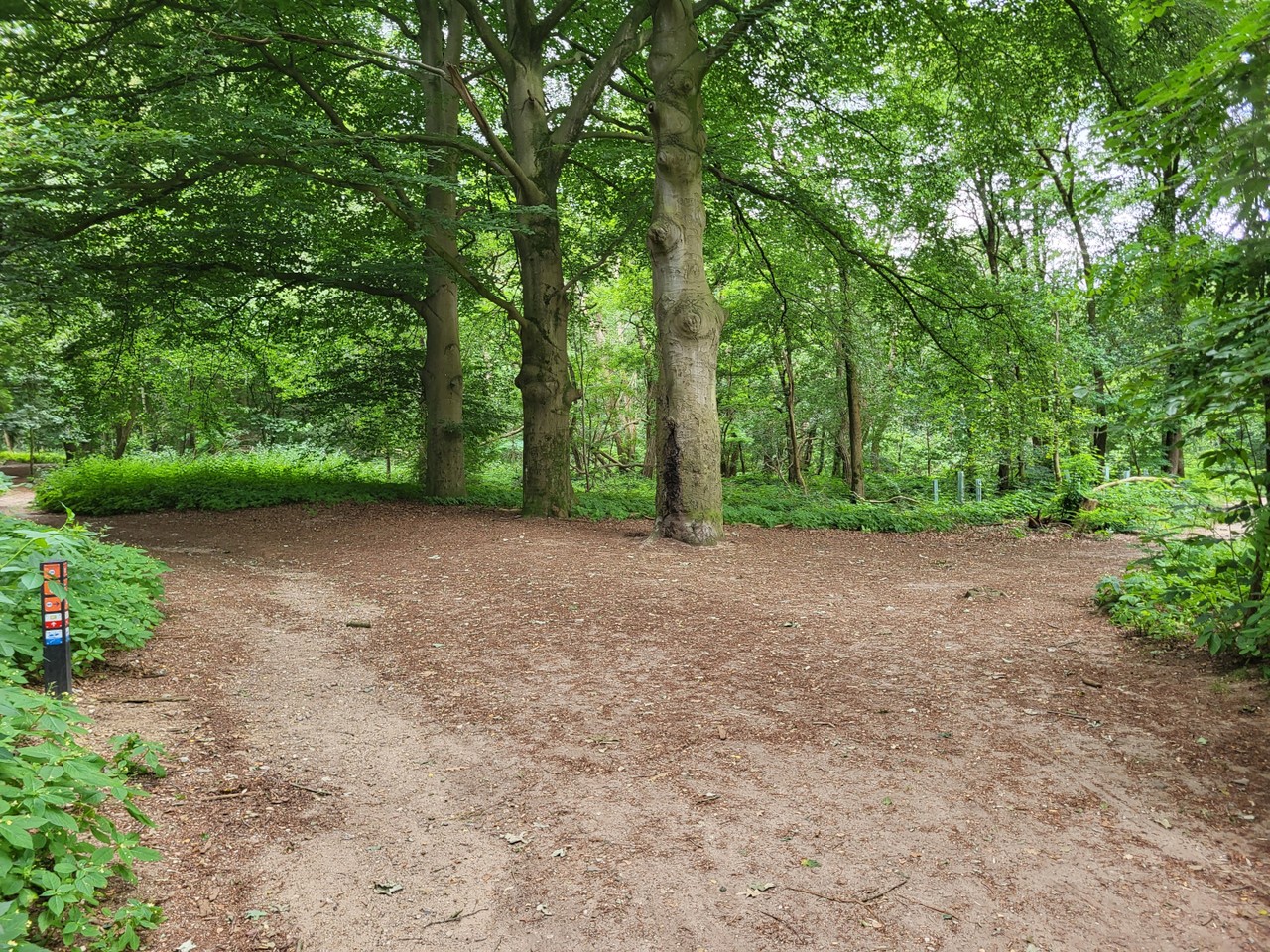
With this walking route, you can discover what took place here on and around the Grebbeberg in the May days of 1940.