South-Holland coastal Atlantic Wall cycling route
Pays-Bas
Favoris
Partager
Stretching along one of the most strategically important coastlines of the Netherlands, the Atlantic Wall in Zuid-Holland formed one of the densest defensive zones in the Netherlands.
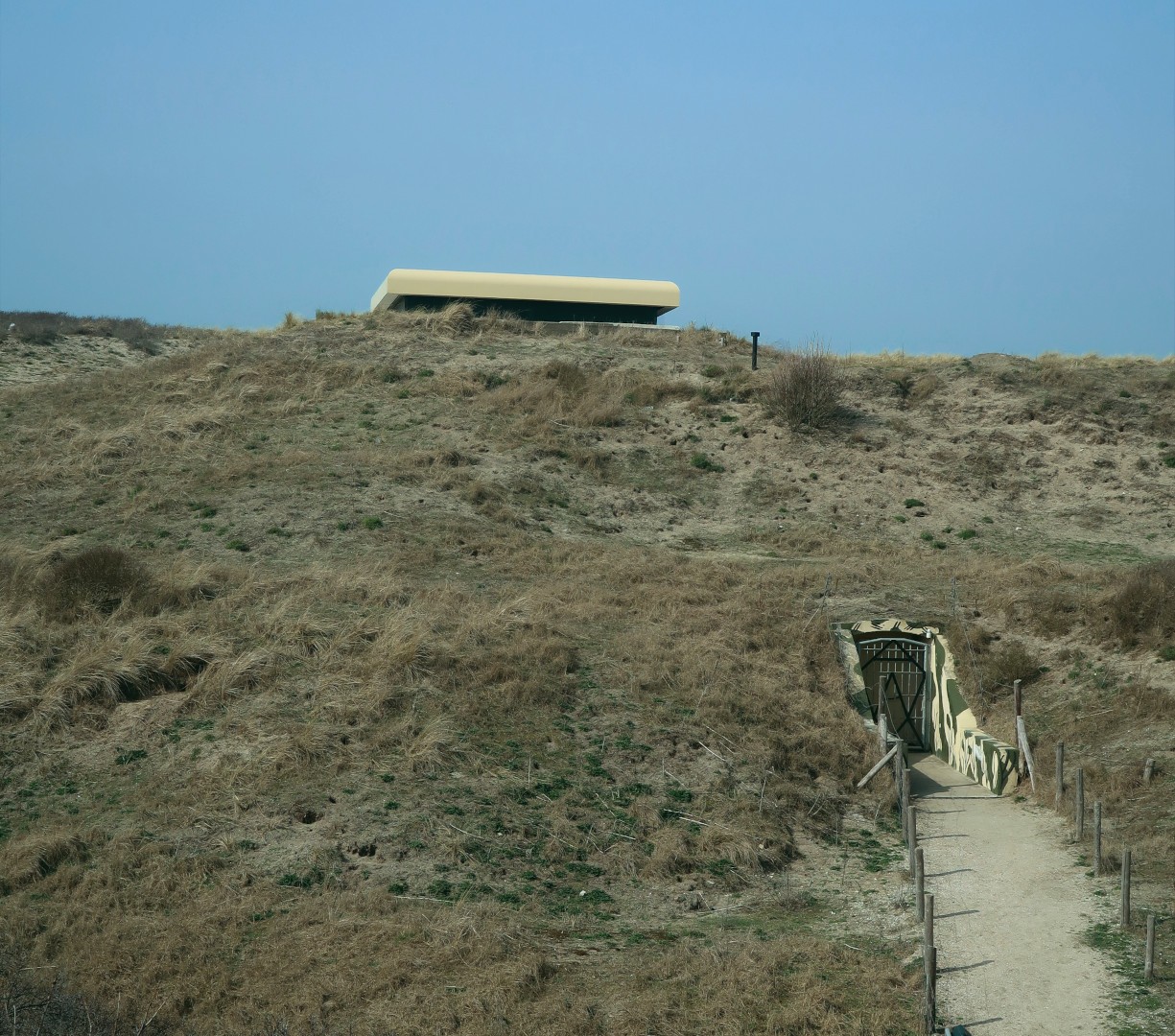
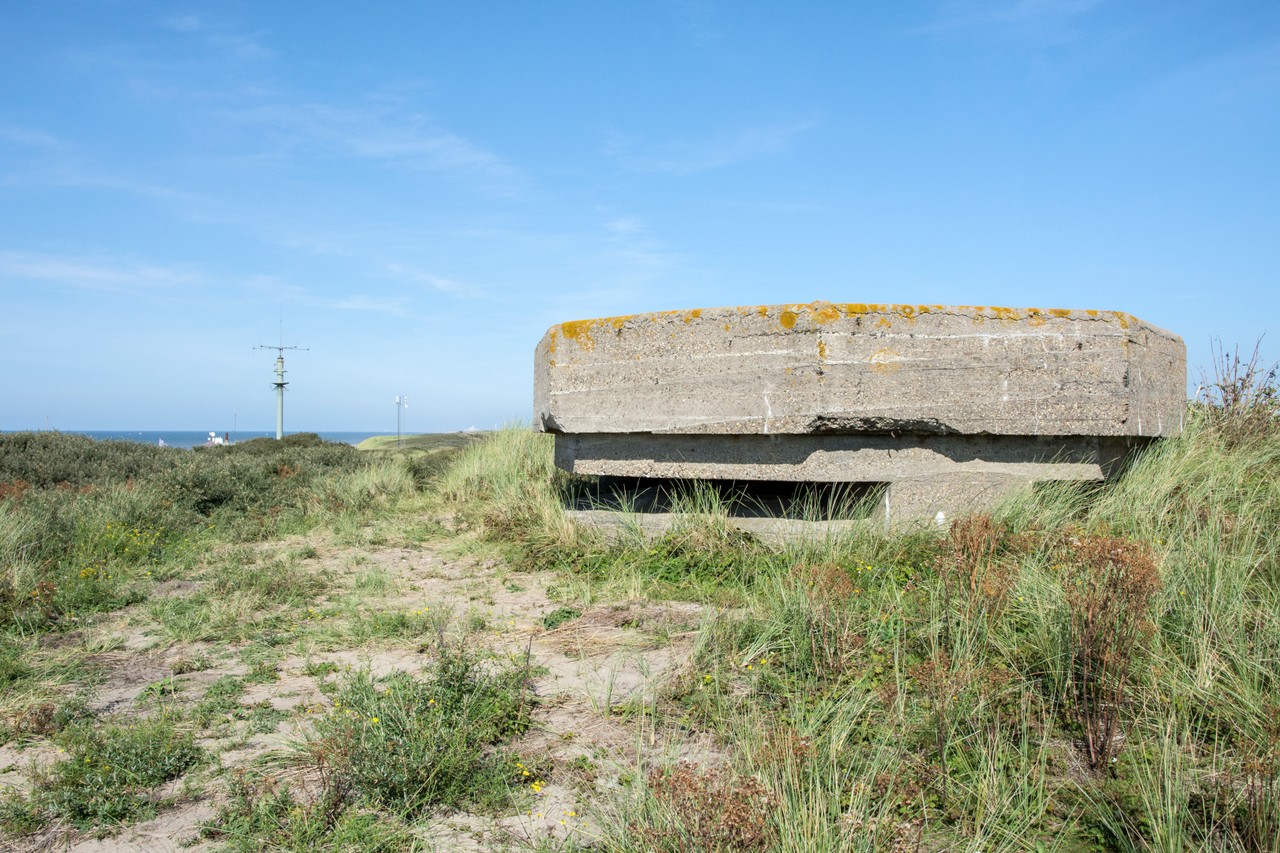
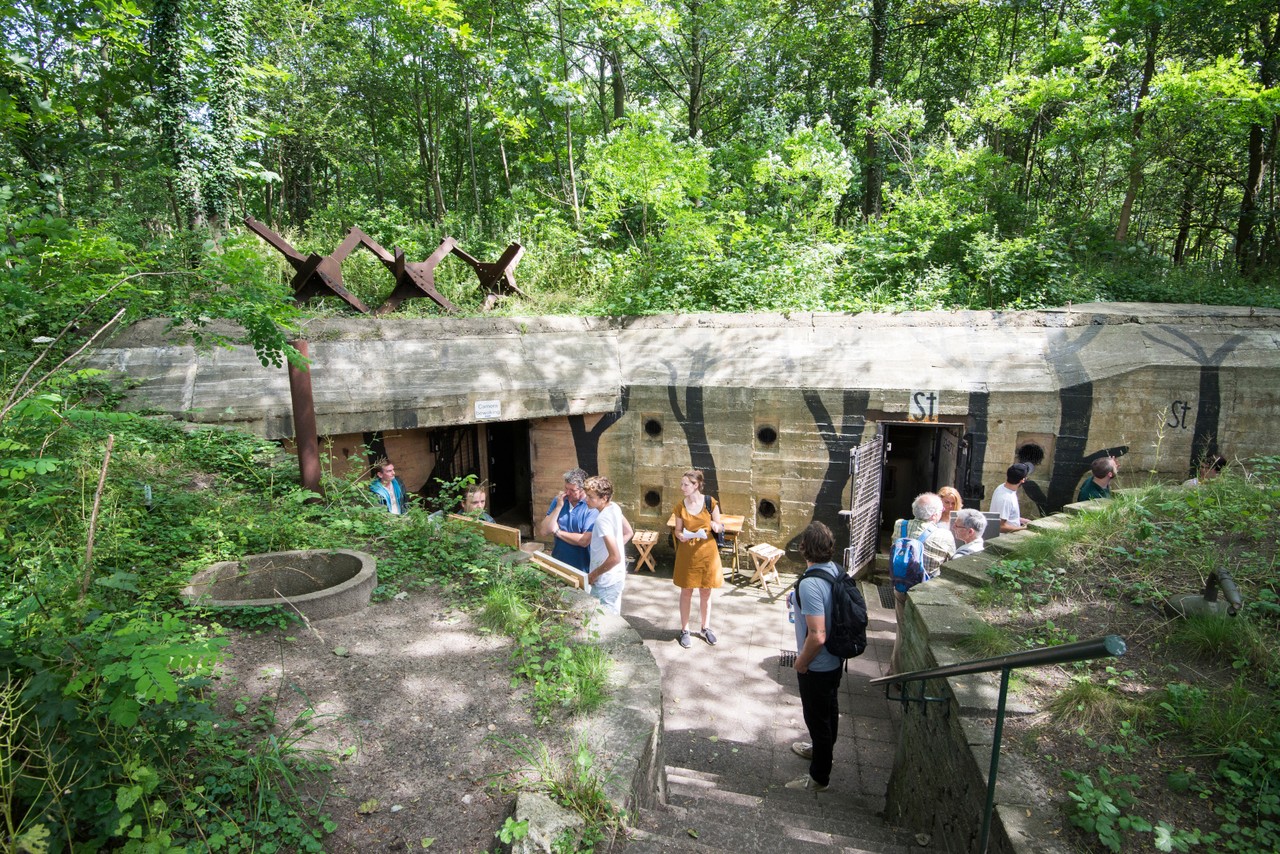
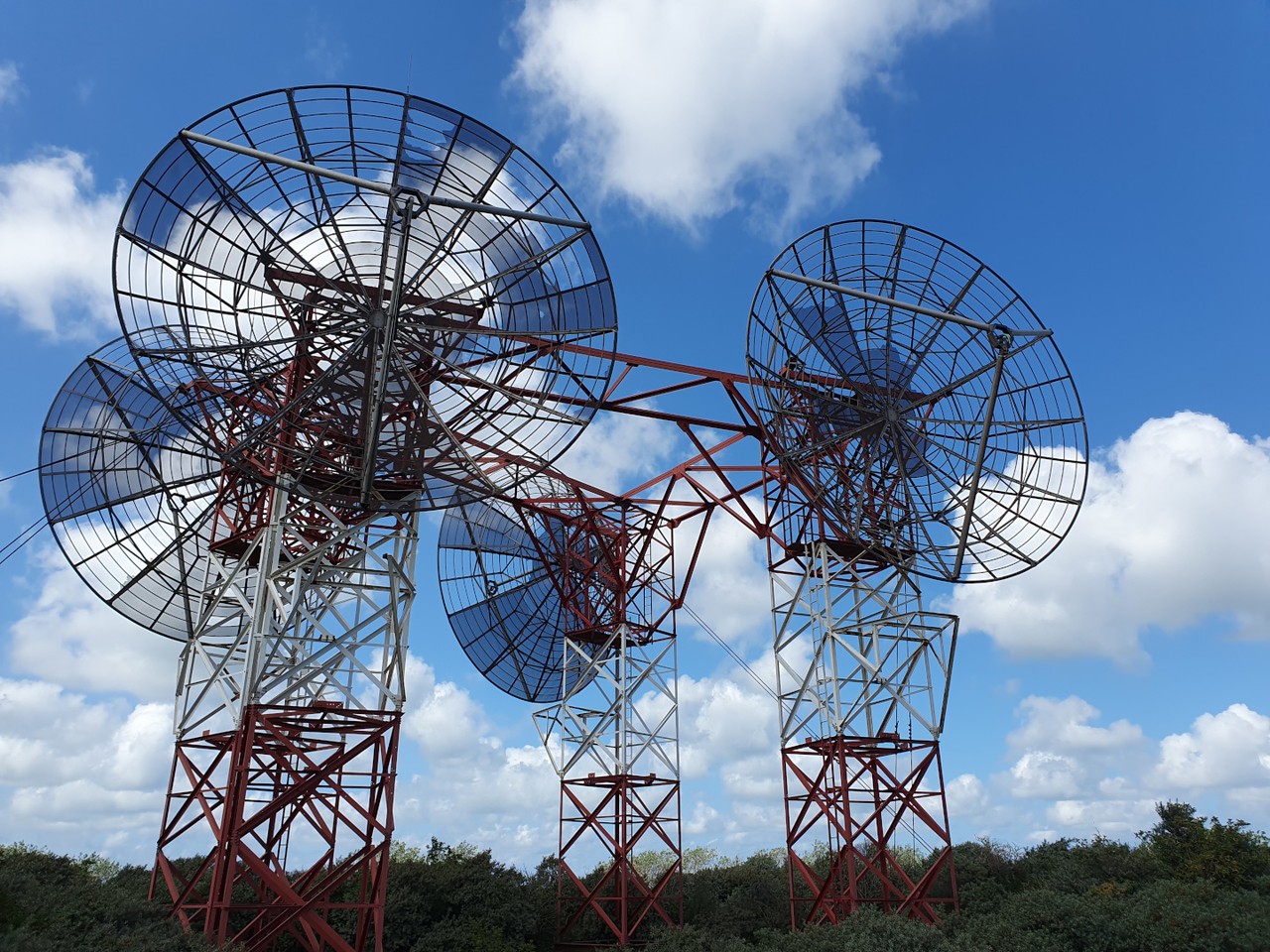
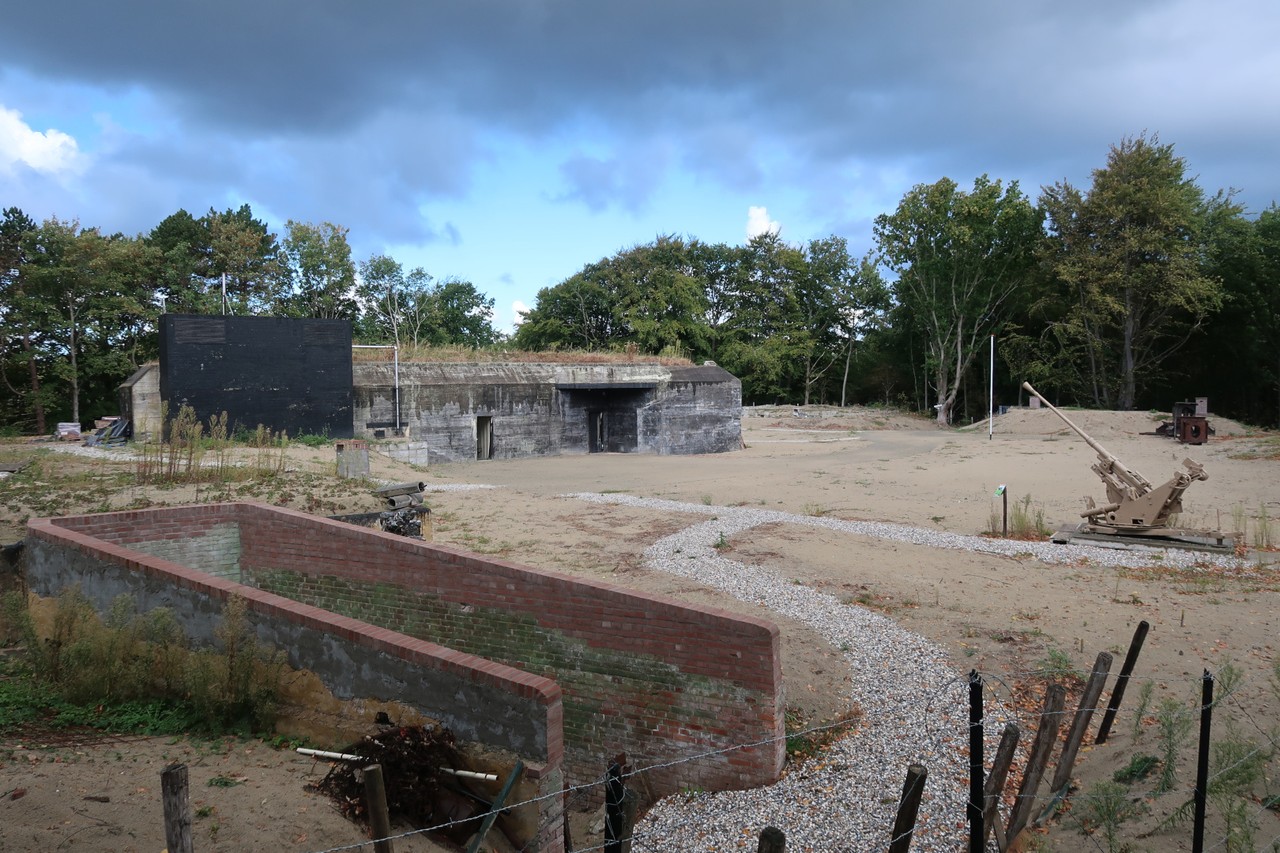
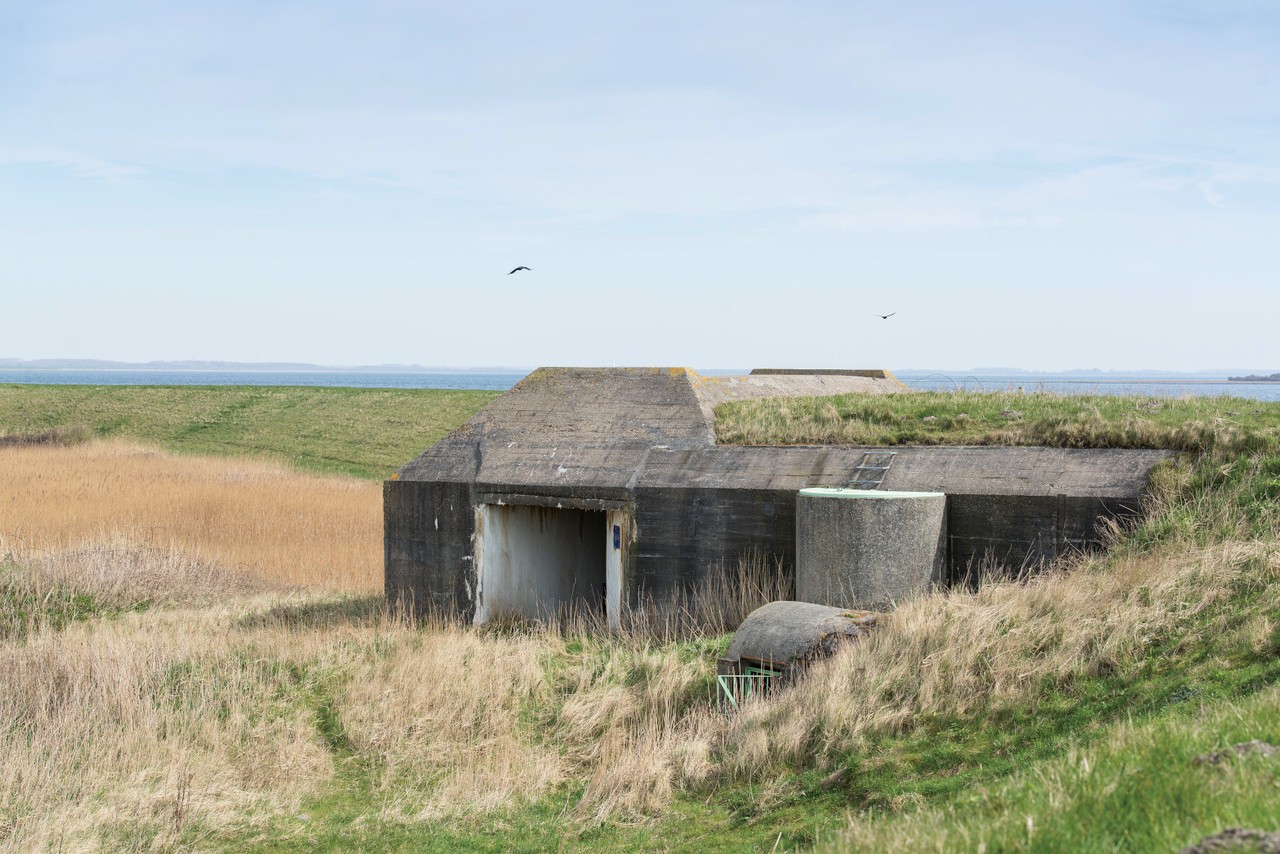
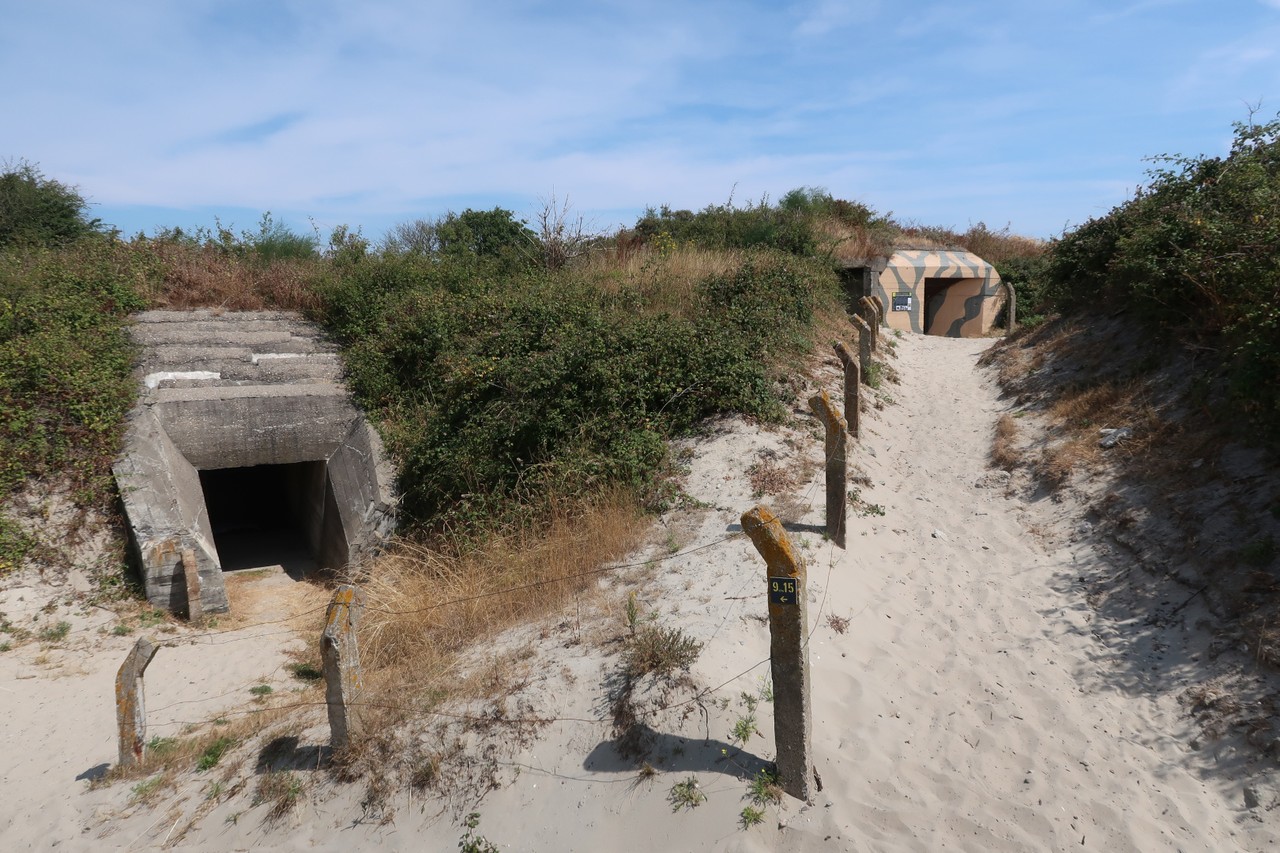
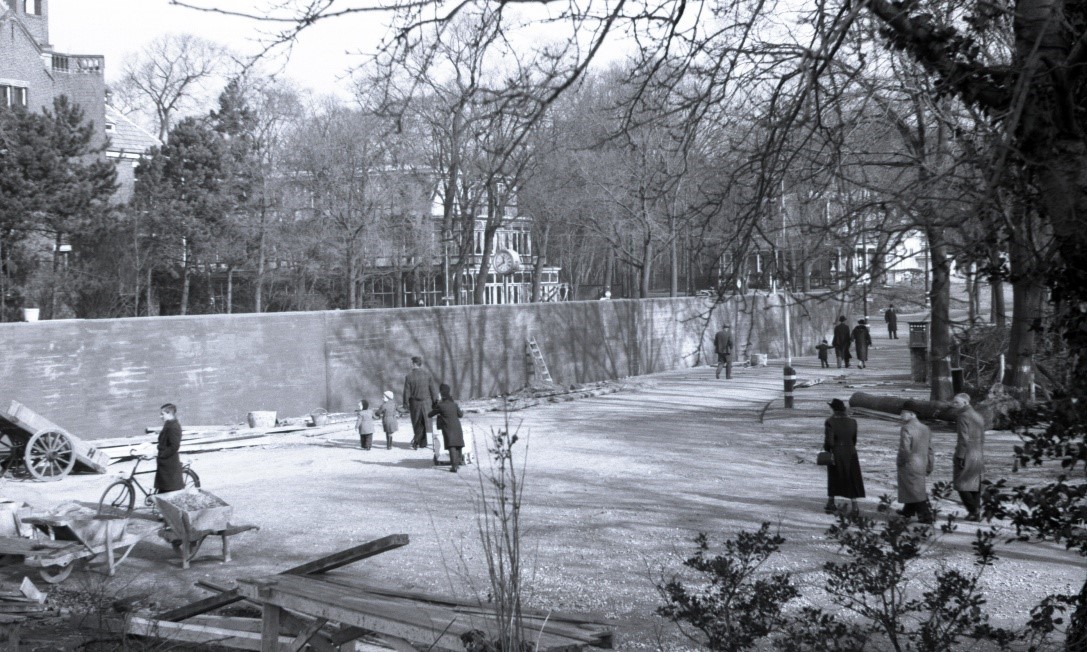
During the Second World War, Rotterdam and the Nieuwe Waterweg featured two highly strategical points: Rotterdam and the Nieuwe Waterweg, which was anchored by Festung Hoek van Holland, a major fortified stronghold built to repel any Allied landing. Along the coast of the province, the German forces constructed layers of bunkers, artillery positions, radar stations, anti-tank obstacles, and command posts.
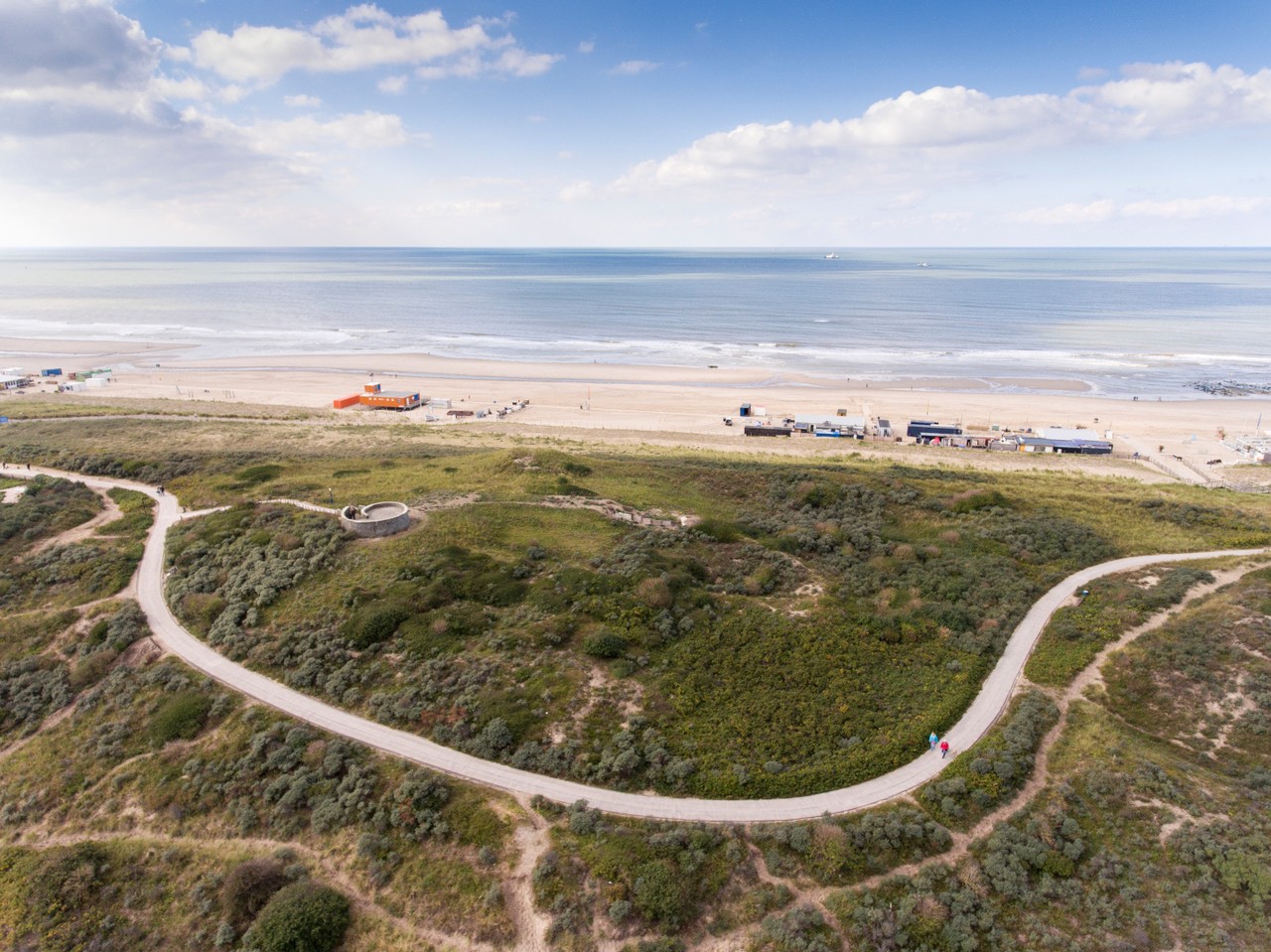
Today, this route invites you to cycle or hike through Zuid-Holland’s remarkable coastal landscape while discovering the heritage of the Atlantikwall. From wide dune reserves, lively seaside towns, to the city of The Hague, the journey combines nature, heritage, and accessible storytelling.
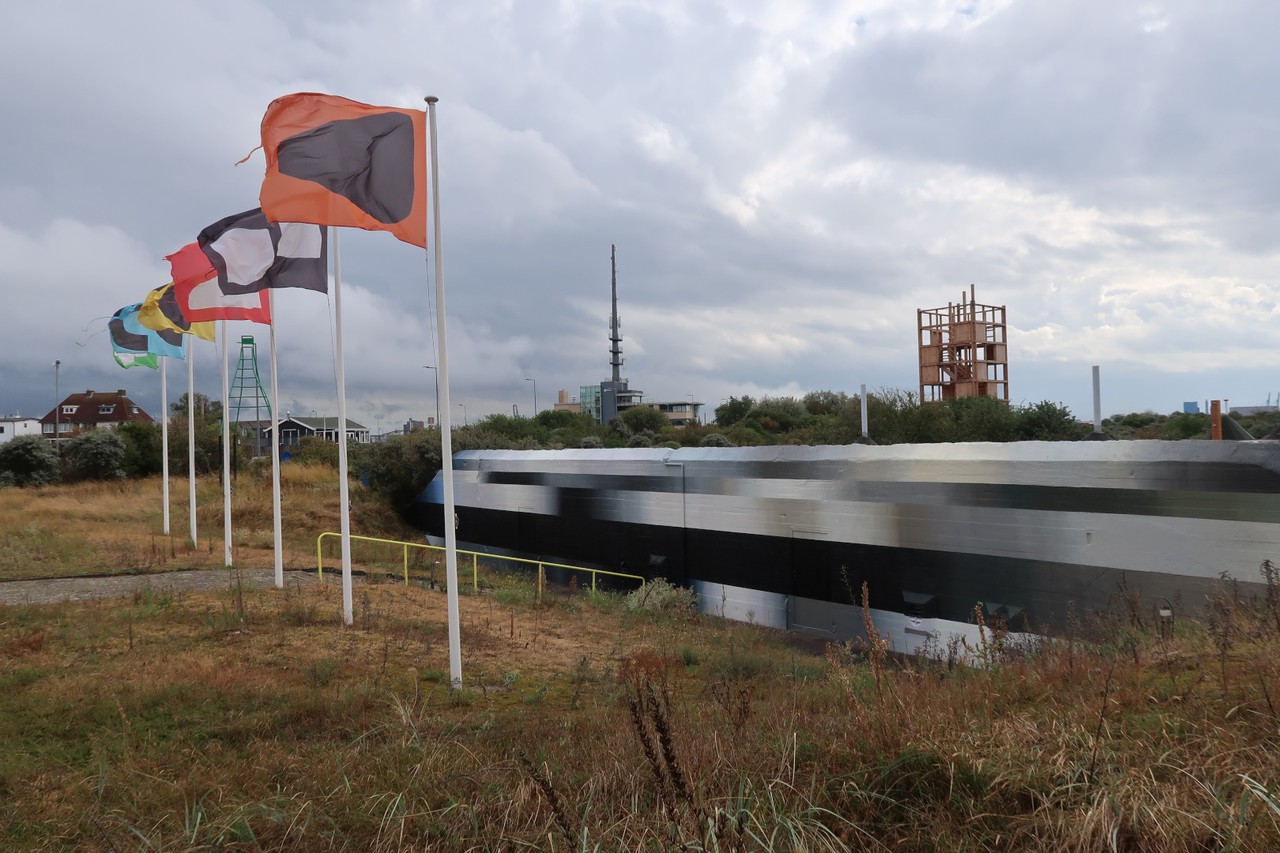
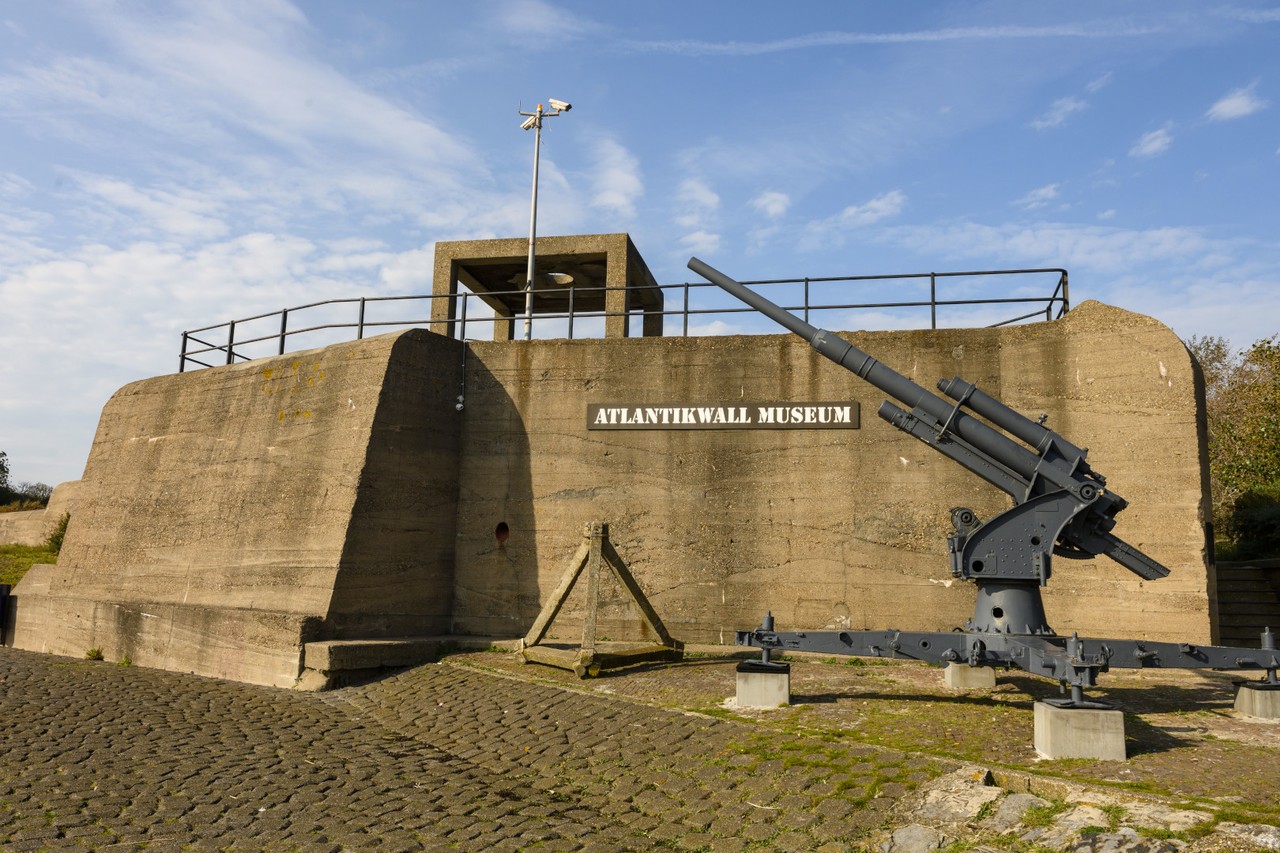
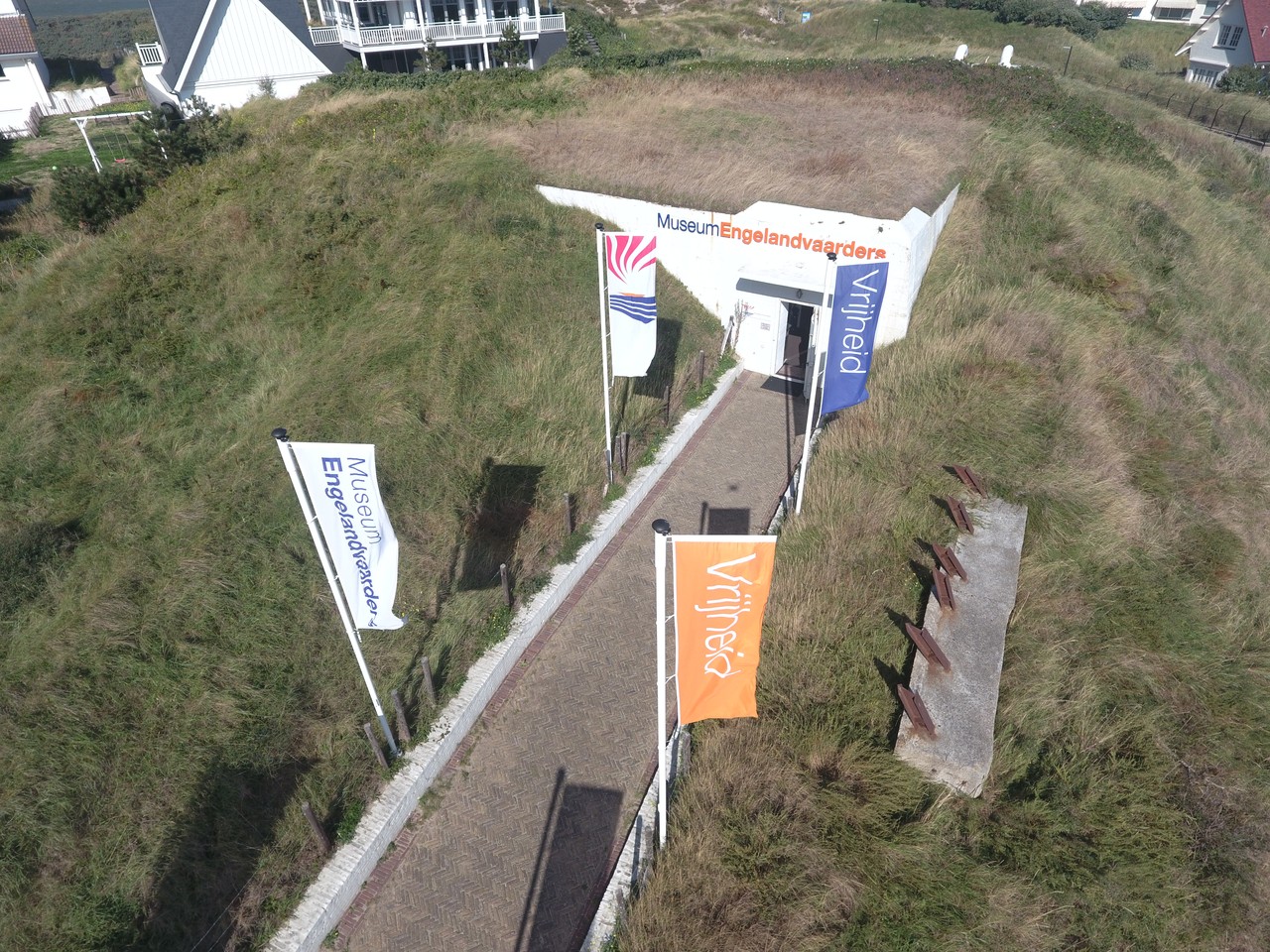
Cycling the Atlantic Wall route in South-Holland will allow you to discover multiple museums and historical sites. At the Atlantikwall Museum Hoek van Holland, you can enter original bunkers and learn about the role of the Festung. In Scheveningen, the Atlantikwall Museum Den Haag offers insight into life in a large defensive sector. Continuing north both the Atlantikwall Museum Noordwijk and the Engelsevaardersmuseum shed light on local wartime stories, naval operations, and resistance efforts. Along the way, you will encounter notable bunker clusters and preserved sites such as the Wassenaarseslag, a striking section of dune fortifications illustrating the scale of the German defences.
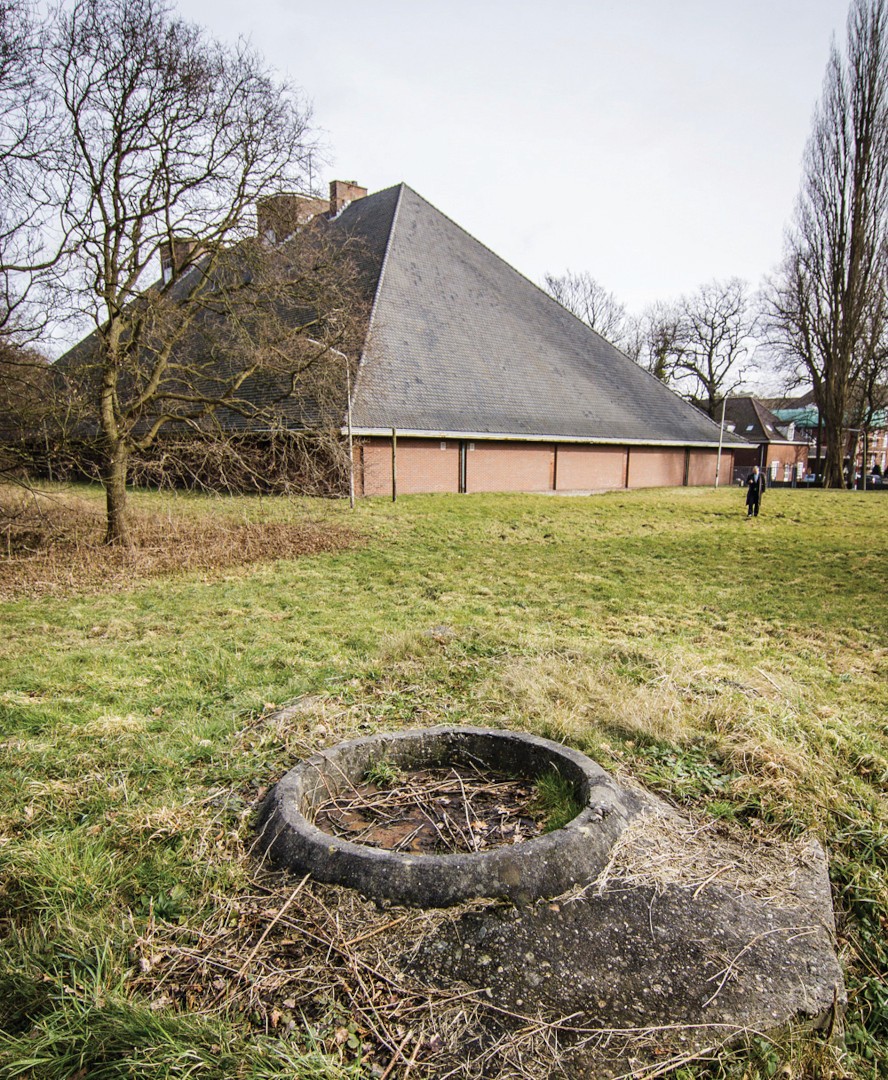
In The Hague, you can explore the 'Herinneringsroute Atlantikwall Den Haag' (Atlantic Wall Remembrance Route). For more information about this route, visit the website: Atlantic Wall The Hague | Atlantikwall.